Hero Image

Dental Crowns Sydney

Restore the strength, shape and function of a damaged tooth

Dr. Choi

Why Do I Need a Dental Crown?

When a tooth is severely decayed, fractured or weakened following a root canal treatment, its structural integrity is compromised. At Axis Dental, we provide structurally focused dental crown solutions designed to restore the strength, shape and function of damaged teeth, protecting your natural teeth and supporting your long-term oral health.

A dental crown acts as a custom-made, tooth-shaped cap that is securely bonded over your existing natural tooth. It provides a highly durable outer shield that helps prevent further deterioration, reduces the risk of damage, and restores a natural bite.


Types of Dental Crowns We Offer

Axis Dental, offer a custom-designed range of tooth crown Sydney patients can rely on to improve their oral function.

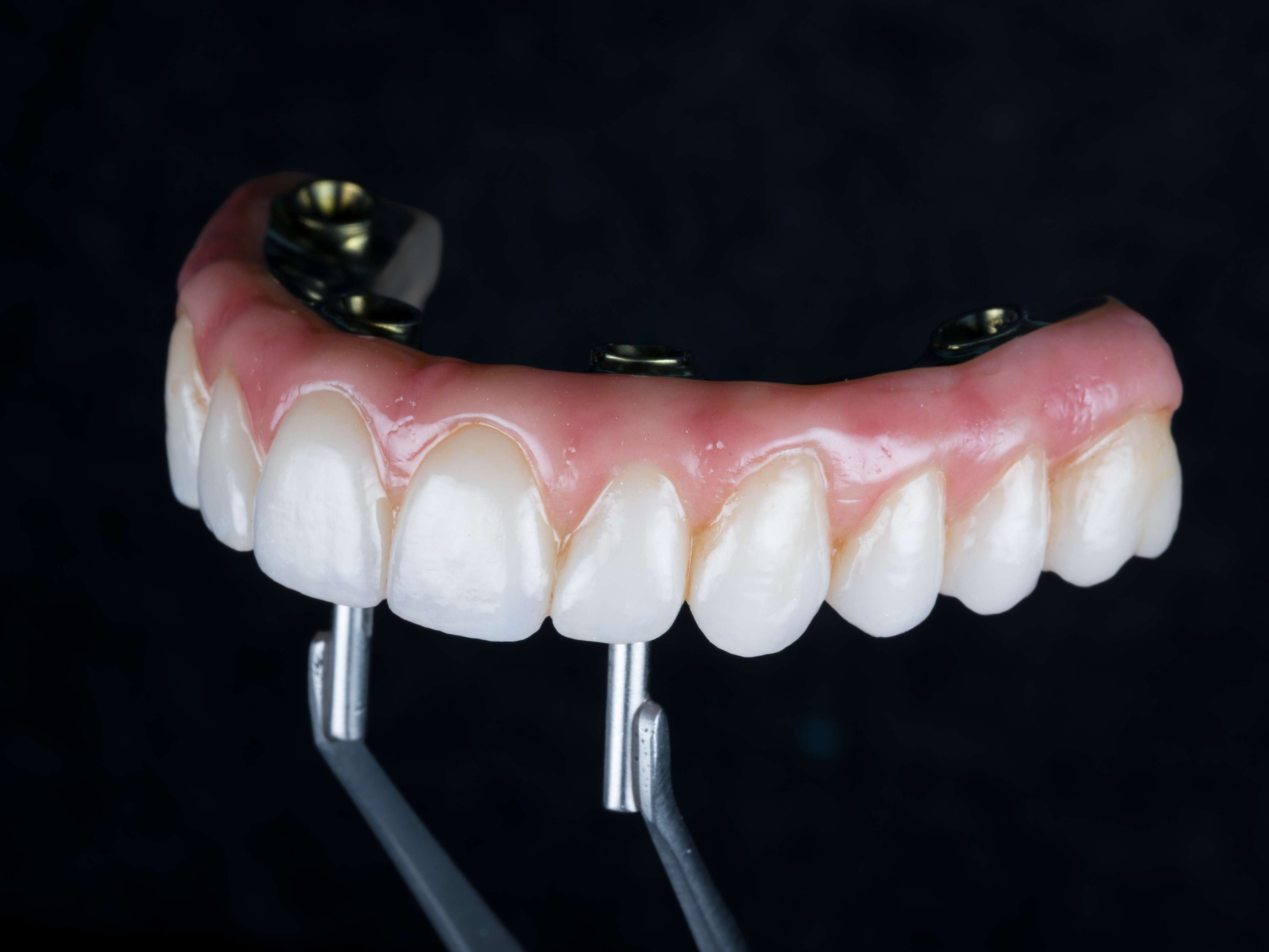
Using materials such as Monolithic Zirconia, Layered Porcelain on Zirconia, or E.max (Lithium Disilicate), we ensure the tooth is not only strengthened but also blends seamlessly with the surrounding teeth to create a highly natural appearance.

This makes crown treatment an effective option for patients who want to preserve a healthy structure without requiring more extensive dental treatments.

_A7M1070.png

When Is a Dental Crown the Right Choice?

A dental crown is often recommended when a tooth has become too weak or damaged to enable a filling to provide it with reliable long-term support. This may occur when decay is extensive. A tooth has suffered a significant fracture. Or there are large existing fillings that have left little healthy tooth structure remaining.

Crowns are also commonly used following root canal treatment. Primarily, this because while the procedure removes infection and preserves the tooth, it can leave the remaining structure more brittle and susceptible to fracture.

Other situations where a crown may be appropriate include severely worn teeth from grinding. Cracked teeth with compromised structural integrity. Or teeth used to support dental bridges.

Dental Crown Materials

Delivering premium dental care means working with the best in the industry. Axis Dental partners with specialized dental laboratories and expert technicians to design and fabricate your affordable dental crown. This collaborative approach ensures exceptional results for every patient. As mentioned, we utilize a range of advanced materials, including...

Monolithic Zirconia

Zirconia crowns are exceptionally strong. They are also resistant to chipping or fracture, which is why they are often recommended for back teeth.

Layered Porcelain on Zirconia

These porcelain crowns combine the strength of a zirconia core with the natural appearance of hand-layered porcelain. This offer an excellent aesthetics and durability.

E.max (Lithium Disilicate)

E.max is a premium all-ceramic material that is known for its natural appearance and lifelike translucency. It is often used for front teeth.

_A7M1124.png

Dental Crown vs. Filling: How Do We Decide?

Many patients wonder whether they need a filling or a dental crown. Well, while both treatments aim to restore damaged teeth, they do this in different ways.

For instance, a filling replaces the missing tooth structure. However, it relies on the remaining natural tooth for support. Subsequently, if a tooth has lost too much structure due to decay, fracture, or previous restorations, then a filling may not provide sufficient reinforcement to prevent future breakage.

A crown, by contrast, covers and protects your entire tooth. Essentially, it acts as an external shell that helps distribute biting forces more evenly and protects weakened teeth from further fracture.

As a general guideline, when damage affects more than half of the tooth, we tend to deem a crown as being the more predictable option. However, every case is different, and factors such as crack direction, tooth anatomy, bite forces and surrounding adjacent teeth do influence our final recommendation.

We will always recommend the least invasive treatment to achieve a reliable, long-term outcome for your dental health.

The Dental Crown Procedure at Axis Dental

Axis Dental, we combine digital technology, an on-site laboratory and personalised treatment planning to create restorations that look natural and fit precisely. While every patient has different needs, the process typically runs as follows.

Assessment and Treatment Planning
1
Assessment and Treatment Planning

Your treatment begins with a detailed dental crown consultation. During it, we perform a clinical examination, digital scans and radiographs. This enables us to assess the tooth, surrounding structures and bite and allows us to confirm whether a dental crown is the most appropriate treatment. It also helps us to identify any issues that may need to be addressed first, such as infection or the need for root canal treatment.

Tooth Preparation
2
Tooth Preparation

Once the treatment has been approved, the tooth is carefully reshaped under local anaesthetic. This helps to create space for the crown. We also take a precise digital scan, which eliminates the need for traditional impressions. In most cases, a temporary crown is placed in your mouth to protect the tooth while the final restoration is being fabricated.

Crown Fabrication
3
Crown Fabrication

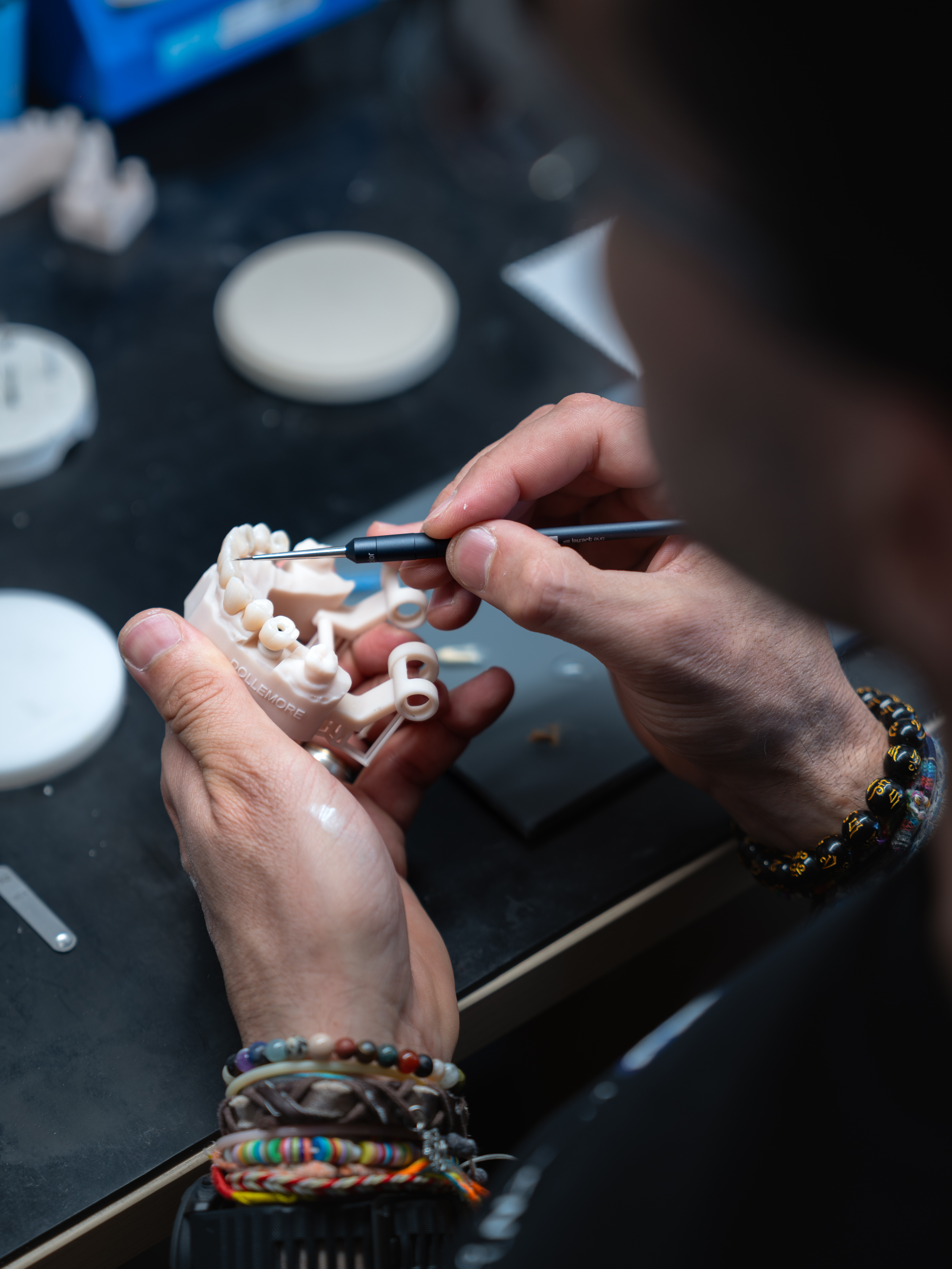
Our technicians and clinicians custom-make your crown in our on-site laboratory. They use quality materials and advanced colour-matching technology to ensure a precise fit and natural appearance.

Crown Placement and Bite Adjustment
4
Crown Placement and Bite Adjustment

At your final appointment, the temporary crown is removed, and the new crown is thoroughly assessed for its fit, colour and bite. Once any adjustments are made, the permanent crown is then securely bonded into place.

The Axis Dental Approach

If you require dental crown treatment, you'll need a dental team who will restore your functions properly, make your teeth look natural and support your long-term oral health.

At Axis Dental, we deeply understand the fears, anxieties and hesitations that often keep people away. That's why we offer the following to achieve the most predictable outcomes.

_A7M0945.jpg

Tailored Treatment Planning

Every patient undergoes a detailed assessment, which involves digital scanning, radiography and clinical examination. This allows us to evaluate the condition of their tooth, surrounding structures, and bite before recommending the most appropriate treatment to them.

_A7M0156-Edit.png

Advanced Colour Matching

We utilise the latest in dental technology, including Optishade and Matisse software, to capture the exact colour and translucency of your natural teeth. This ensures we achieve the closest possible aesthetic match and minimises the need for repeat visits to correct the shade.

0e7ba2f3383cb932d50cc8721f5cb97f67d64656.jpg

Efficient Treatment Times

Thanks to our expertise and on-site lab, we can complete your final restoration more quickly than other practices.

older-man-implants.jpg

Transparent Pricing

Before your treatment begins, you will receive a quote that clearly breaks down the costs of the treatment. It will also advise of your available payment options and any health fund benefits that may apply.

Potential Complications and Considerations

Receiving a dental crown is an invasive restorative clinical procedure, and we believe in total transparency to help you prepare for your treatment. While driven by strict clinical protocols, potential complications can include:

Tooth Sensitivity

It is common to experience temporary sensitivity to hot or cold immediately after preparing the tooth or placing the new crown. This is temporary, but may take anywhere from hours to possibly days to settle down.

Nerve Irritation
Nerve Irritation

The process of preparing a tooth for a crown can sometimes irritate the underlying nerve. In some cases, this may lead to irreversible pulpitis, which would require a future root canal treatment. We minimise the technical risks by ensuring the tooth is never overheated and by working only on teeth that require crowns.

Crown Damage or Chipping

While materials like monolithic zirconia are extremely durable, restorations featuring layered porcelain or E.max can occasionally chip, fracture or loosen over time - particularly if subjected to heavy clenching or teeth grinding (bruxism). We minimise this risk by ensuring your bite is balanced, that there are no unnecessary stressors on the teeth, and by adequately educating our patients about expectations.

Decay Under the Crown

If plaque accumulates at the margin where the crown meets the natural tooth, secondary bacterial decay can develop underneath the restoration, requiring further intervention. This is minimised by meticulous tooth preparation and scanning, so that manufacturing yields a perfect margin for a flush-fitting surface.

Gum Irritation

The gum tissue surrounding the crowned tooth may experience temporary inflammation or irritation following the procedure. This is again minimised by clean tooth preparations, perfect-fitting surfaces, and reduced overhangs on the existing teeth.

Why Choose Axis Dental?

At Axis Dental, Dr Ho-yeon Choi leads a team that is focused on delivering high-quality restorative dentistry. They do this using advanced dental techniques and personalised treatment planning.

Every dental crown consultation begins with understanding the patient's goals. During your consultation, we'll discuss treatment alternatives and expected outcomes.

We also walk you through available flexible payment plans, potential health fund rebates and any further treatment that may be required.

Frequently Asked Questions

  • Local anaesthetic is used throughout the entire process, and treatment for broken teeth or heavily filled teeth is carefully planned. Therefore, most patients report experiencing only minimal discomfort.

  • Most traditional crowns require two appointments.

  • A new dental crown covers and protects the entire tooth to restore a tooth that has been damaged. Porcelain veneers are used for cosmetic improvement and cover only the front surface of a normal tooth.