Hero Image

Wisdom Teeth Removal Sydney

Treatment tailored to your individual needs

It's completely normal to feel anxious about what comes next when you've been told you need to have your wisdom teeth removed. That's why the team at Axis Dental do all we can to make the process as smooth as possible for you.

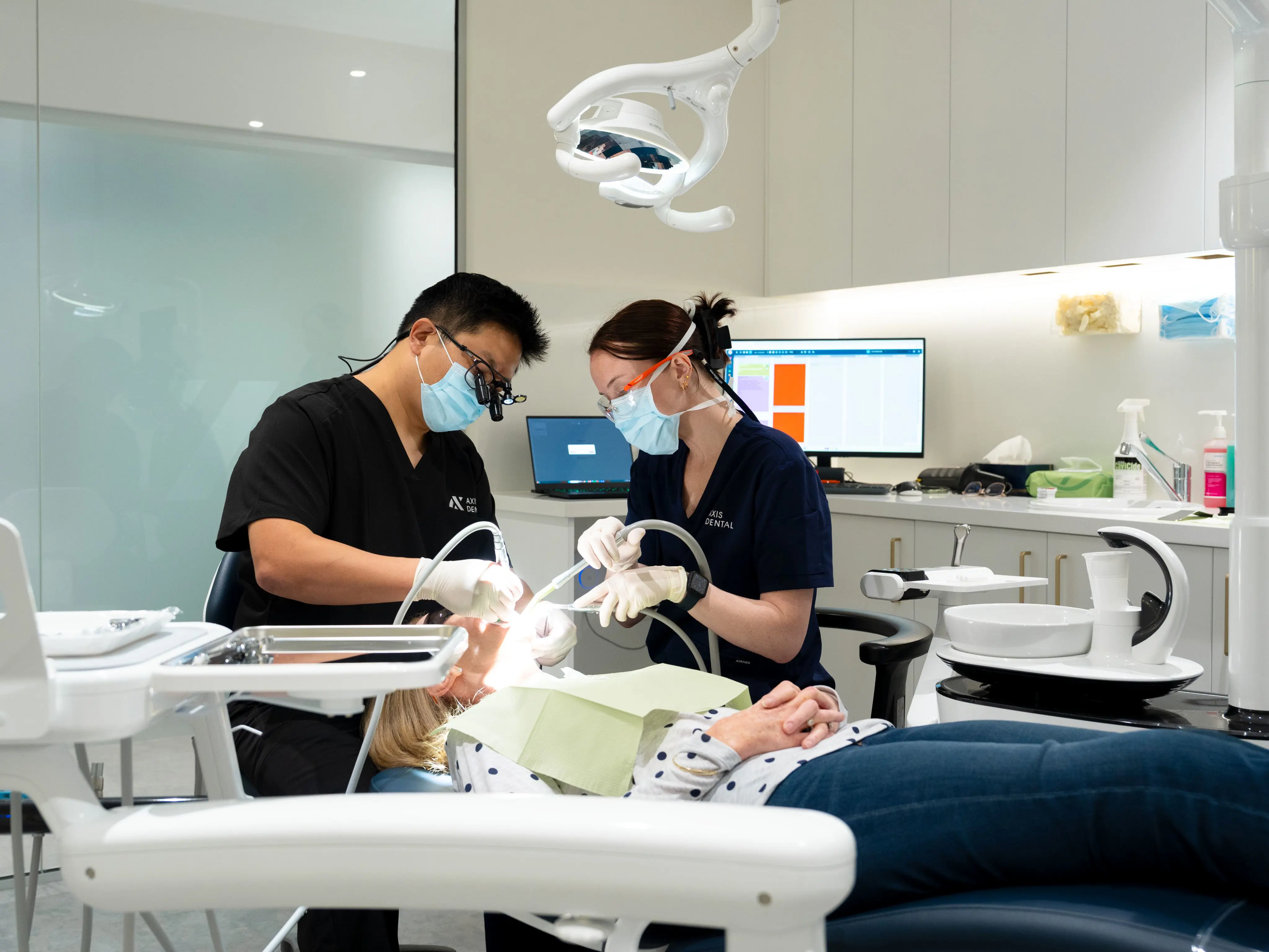
At our Rhodes clinic, all wisdom teeth removal procedures are performed by an experienced dental team. They specialise in managing everything from straightforward extractions to complex impacted wisdom teeth. So, you can rest assured, you'd be in good hands.

wisdom-1.jpg

When Do Wisdom Teeth Need to Be Removed?

Some wisdom teeth never need to be removed. However, many people develop problems because there simply isn't enough space in the mouth for these final third molars to erupt properly.

One of the most common needs for wisdom teeth removal is impaction. This occurs when impacted wisdom teeth become trapped beneath the gum or bone due to insufficient space in the jaw. When this happens, it can place pressure on neighbouring teeth. This can cause persistent pain and affect surrounding structures.

Another common issue is when a partially erupted wisdom tooth breaks through the gum but cannot fully emerge. This creates a flap of gum tissue where bacteria and food can often become trapped. Over time, it can lead to infection, inflamed gums, swelling, bad breath, and difficulty maintaining proper oral hygiene.

Some patients also require wisdom tooth extraction. Mainly because the tooth is either damaging adjacent teeth, causing decay, contributing to gum disease, or interfering with orthodontic treatment. In other cases, cysts can develop around unerupted teeth. They can affect the surrounding bone and nearby structures.

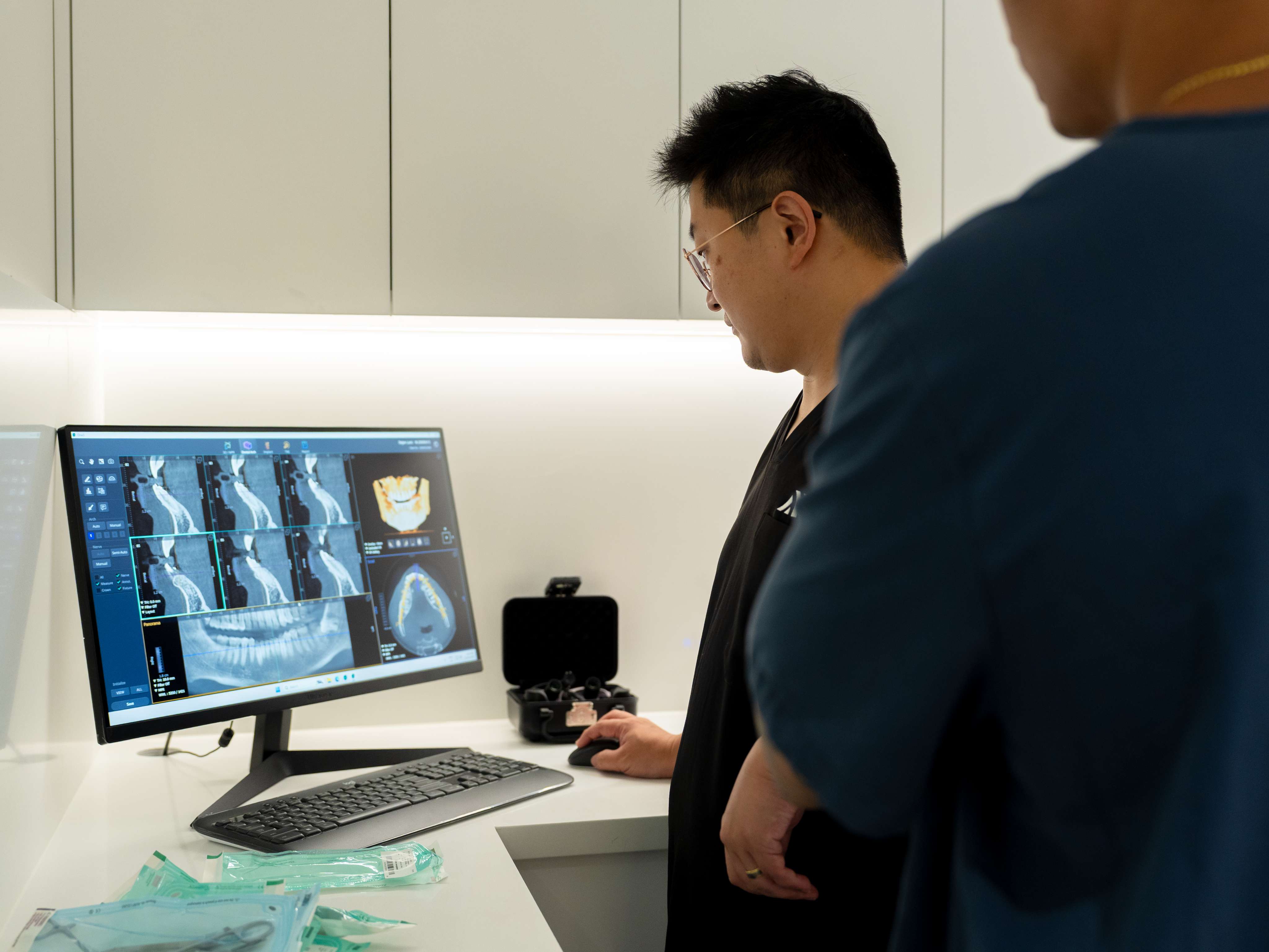
The most reliable way to know whether removing wisdom teeth is required is through a clinical examination and X-ray assessment. They take place during an initial consultation.

_a7m1070.webp

What's the Difference Between Simple vs. Surgical Wisdom Tooth Removal?

A simple extraction is typically performed when the tooth has fully erupted above the gum line, has straightforward tooth roots, and can be removed without surgery. In such cases, the tooth is typically loosened and removed under local anaesthetic within a single appointment.

Surgical wisdom tooth removal, on the other hand, is required when the tooth is impacted. Partially buried beneath the gums. Positioned at an angle. Or has complex root anatomy. This type of wisdom teeth surgery may involve:

  • Creating a small incision in the gum

  • Removing a small amount of surrounding bone

  • Dividing the tooth into smaller sections before extraction

Whether you require a simple extraction or surgical treatment is determined during your assessment. Some patients seeking wisdom teeth removal Sydney services might need oral surgery if they have impacted teeth.

For those who feel nervous about their treatment, Axis Dental offers IV sedation and other sedation techniques.

What Are Impacted Wisdom Teeth?

Impacted wisdom teeth are teeth that cannot erupt into their normal position. Usually, it occurs when there is not enough space in the jaw.

The most common type is a mesial impaction, which occurs when the tooth angles forward towards the second molar. In doing so, it increases the risk of damage to nearby teeth.

Other types include distal impaction, which results from the tooth leaning backwards, and vertical impaction, which occurs when the tooth sits upright but remains trapped beneath the gum or bone. Horizontal impactions lie sideways and are often the most complex form of impacted wisdom tooth removal to treat.

Wisdom Tooth Removal at Axis Dental

If you feel you need a wisdom tooth extraction, here is what to expect from Axis Dental.

Assessment and Imaging

All patients undergo a detailed dental assessment, which may include digital imaging such as OPG and CBCT scans. They allow the team to evaluate the position of the wisdom teeth and root anatomy, as well as their proximity to structures such as the inferior alveolar nerve in the lower jaw. These scans help determine what the safest form of treatment will be.

Anaesthesia and Sedation Options

We perform most wisdom teeth removal surgery procedures using local anaesthesia. That said, we may recommend sedation options for more complex cases or particularly anxious patients. Or even general anaesthesia or general anaesthetic arrangements.

With IV sedation, patients remain conscious but in a deeply relaxed state. They often remember very little of the procedure.

The Extraction

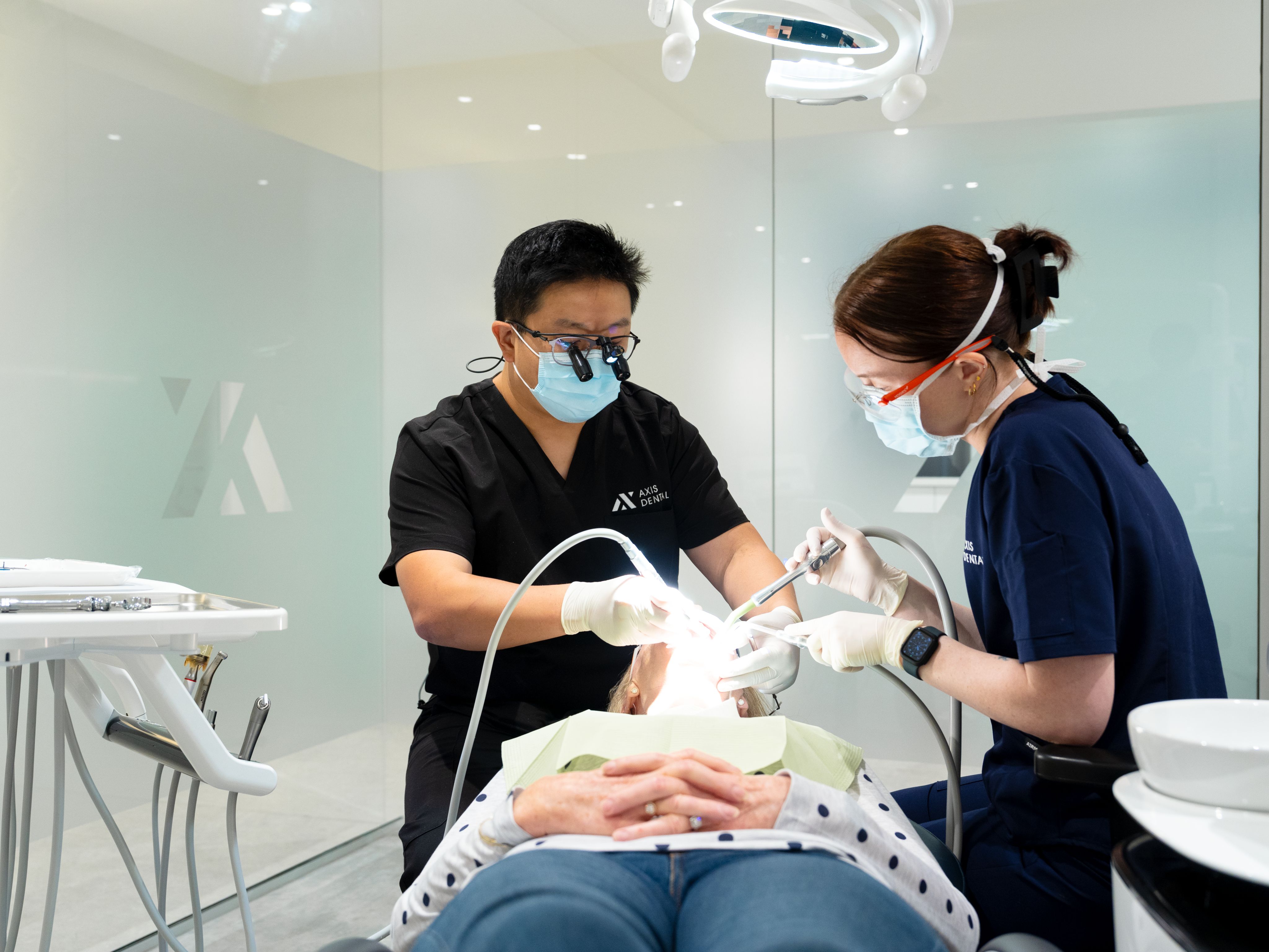
Before the procedure begins, we completely numb the treatment area in your mouth. This ensures that patients generally feel pressure and movement rather than pain. For surgical procedures, a small incision may be made to access the tooth.

Generally, treatment may take anywhere from 20 minutes to over an hour. If required, four wisdom teeth can often be removed during the same appointment, which of course will take longer.

Immediately After

Once the tooth has been removed, gauze is placed over the extraction sites primarily to encourage the formation of a protective blood clot. As the local anaesthetic wears off, you may experience some soreness, swelling, and jaw stiffness.

We provide patients with detailed aftercare instructions. If sedation has been used, you will need someone to drive you home.

What Is The Recovery Process?

The healing process occurs gradually over several weeks. Here's what you can expect:

_A7M1267.png

First 24 hours

In the day after your surgery, it is normal to experience mild bleeding. During this time, bite gently on gauze, avoid vigorous rinsing, eat soft foods, and keep your head elevated.

You may wish to apply ice packs regularly and take prescribed pain relief, especially before the numbness wears off.

_A7M1124.png

Day 2-4

This is when the swelling peaks. It is wise to continue eating soft foods and to rinse with warm salt water if advised. You may still experience some mild discomfort and swelling, and find it difficult to open your mouth.

_A7M1283.png

Day 5-7

Most patients notice significant improvement as the swelling begins to settle. Over the next week, the healing beneath the surface will speed up.

_A7M1124.png

What Are The Possible Complications?

While every invasive procedure carries risks, serious complications following wisdom tooth extraction are uncommon.

That said, dry socket occurs when the protective blood clot becomes dislodged too early. It can result in ongoing pain several days after treatment. Should it develop, we can provide you with prompt treatment to relieve your discomfort.

Occasionally, infection may occur and usually manifests through swelling, pain, or persistent bleeding. In rare situations where lower wisdom tooth roots are close to the inferior alveolar nerve, temporary numbness or altered sensation may occur. Again, we can help you to counter these symptoms.

denture-vs-implant.jpg

Why Choose Axis Dental?

Led by Dr Ho-yeon Choi, Axis Dental is a surgery-focused team with extensive experience in performing complex tooth removal cases in Sydney.

As an appropriately qualified health practitioner, he routinely manages everything from straightforward tooth extractions to challenging impacted wisdom-teeth cases. Regularly, we use advanced digital imaging to help us plan treatment more precisely.

Axis Dental provides free consultations and sedation options for nervous patients. Additionally, our clinic offers convenient parking.

Frequently Asked Questions

  • Wisdom tooth removal is performed under anaesthesia. This means patients should not feel pain during treatment.

  • Most patients recover within one to two weeks. However, complete healing may take longer in some circumstances.

  • Many patients have their wisdom teeth removed in their late teens or twenties. However, age does not determine the need for extraction.