Hero Image

Apicectomy Sydney (Endodontic Surgery)

Retrograde root canal treatment

_A7M1289.jpg

Saving your natural tooth

When a traditional root canal treatment is not enough to clear an ongoing infection, an apicoectomy (also known as root end surgery) may be the best way to save your natural tooth. Rather than accessing the tooth through the crown, this surgical procedure targets the source of the problem directly at the tooth's root tip.

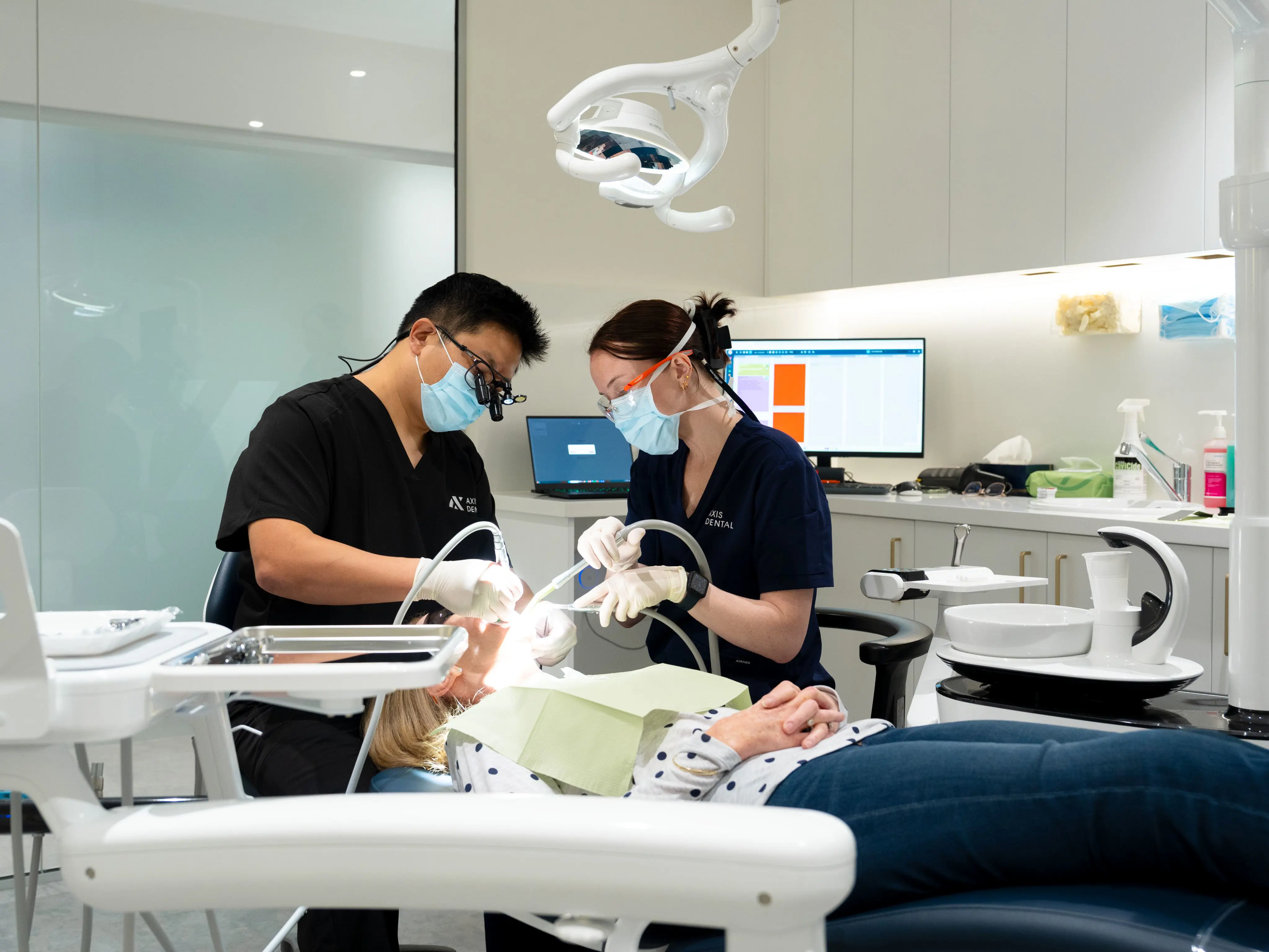
An apicoectomy is a form of endodontic surgery that removes the infected area around the root tip while preserving the rest of the tooth. At Axis Dental, we use focus on all surgical procedures big and small, and can showcase many examples of endodontic microsurgery. This allows for smaller incisions, greater precision around the apex, and a more comfortable recovery for most patients.

_a7m1070.webp

Why Do I Need Root End Surgery?

Many patients are referred for an apicoectomy after experiencing persistent or returning symptoms around a previously treated tooth. Some common signs include:

  • Ongoing pain

  • Recurring gum boil or abscess

  • Swelling that comes and goes

  • Bad taste in the mouth

  • Dark shadows visible around the root tip on an X-ray

In some cases, complex root anatomy, uncleaned or missed anatomy, or hidden canals can harbour bacteria even after root canal treatment is completed. Traditionally, re-treatment of the root canal may be considered. However, this is not always possible, especially if a crown, post, or existing restoration prevents safe access. Or if reopening the tooth increases the risk of fracture.

Therefore, patients can consider an apicoectomy, which is designed to:

  • Remove the Infection: Directly cleaning the surrounding infected tissue and infected bone around the root.

  • Seal the Root: Removing the very tip of the root and placing a root end filling to create a long-lasting seal.

  • Prevent Extraction: Apicoectomy acts as the final line of defence before extraction. It helps patients avoid a dental implant or other prosthetic replacements.

  • Preserve the Restoration: Because we are accessing the tooth from the root end, we are able to ensure the restorations or tooth portion visible above the gums stays intact. 

consult.jpg

Apicectomy vs. Root Canal Retreatment: Which Do You Need?

A common question patients ask us during a consultation is whether they need another root canal treatment or an apicectomy.

Root canal retreatment involves several stages. This includes:

  • Reopening the tooth through the crown

  • Removing the original filling material

  • Cleaning the canals again

  • Refilling them

This approach is often most appropriate when the original endodontic treatment either missed part of the canal system or was inadequately filled. It is generally advised when the tooth can be safely accessed without damaging the overlying restoration.

An apicoectomy, on the other hand, may be the better option when:

  • The crown or post cannot be removed safely

  • Previous re-treatment has been unsuccessful

  • The infection is confined to the tooth root and surrounding tissues near the apex

  • When a cyst or persistent lesion remains despite previous treatment

In some situations, neither retreatment nor an apicoectomy is the right solution. Instead, if the tooth has a vertical root fracture, inadequate remaining tooth structure, or poor long-term prognosis, then extraction followed by a dental implant may be the only alternative.

Our team will assess your individual circumstances and provide you with their honest, professional recommendations based on the likely long-term prospects for success.

What To Expect From The Apicectomy Procedure at Axis Dental

If we recommend an apicectomy as the best treatment for your dental health, here's what you can expect.

Assessment and Imaging

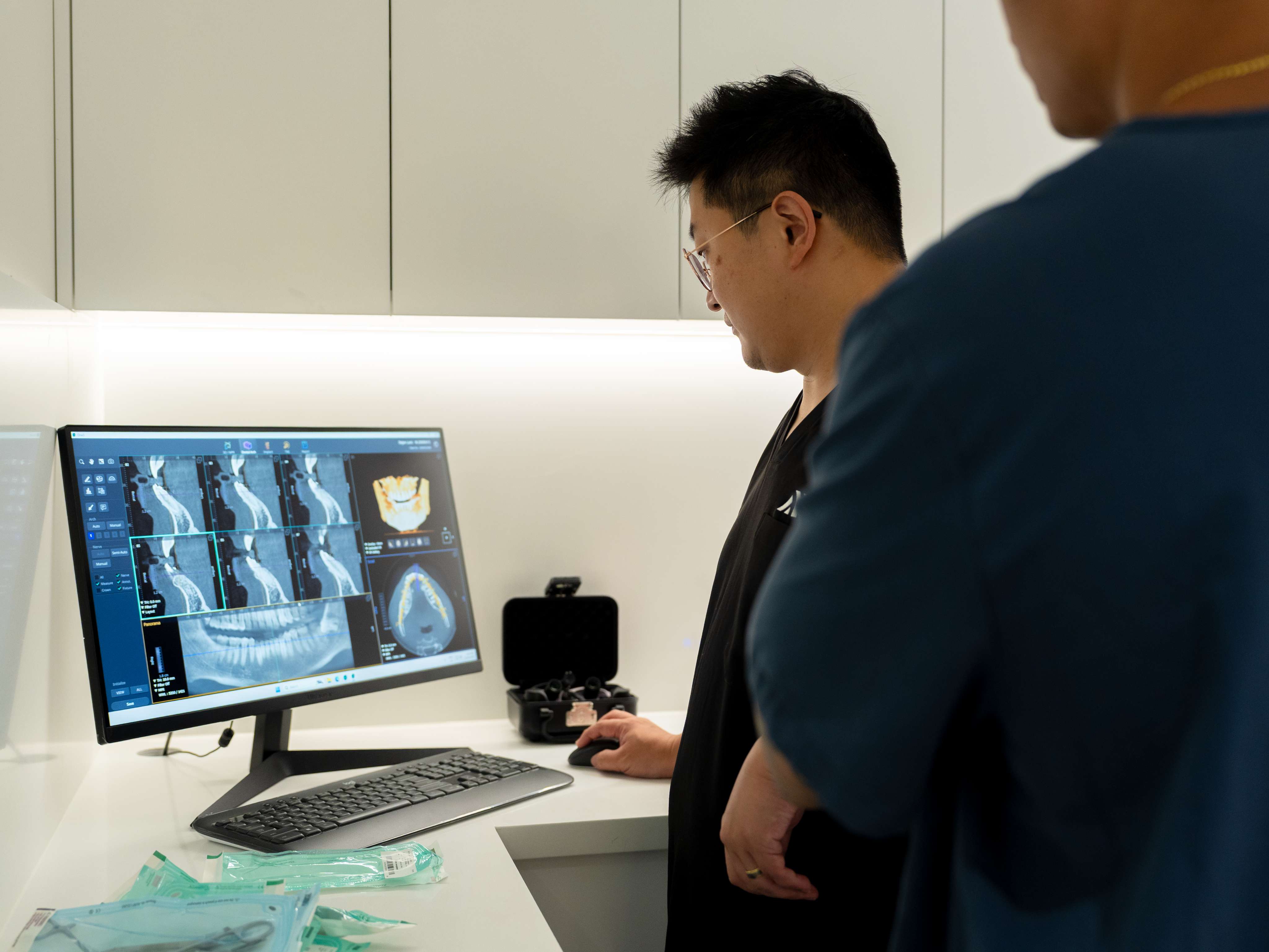
Before any surgery is performed, we obtain detailed imaging with a periapical X-ray or CBCT scan. This allows us to assess:

  • The size of the lesion
  • The condition of the bone
  • The root anatomy
  • The proximity of important structures, such as nerves and the sinus

This planning stage helps us determine whether the tooth is suitable for an apicectomy or whether another treatment pathway may provide a better result.

The Procedure

Most apicectomies are performed under local anaesthesia. Once the area is numb, a small incision is made in the gum tissue above the affected root.

The gum is gently reflected to expose the underlying bone. Any infected tissue, abscess, or cyst found will be removed, along with approximately 3mm of the tooth's root tip. Once that's done, a small root-end cavity is prepared within the root using a dental operating microscope, specialised micro instruments, and ultrasonic preparation tips.

A biocompatible material is also placed as a root-end filling to create a secure seal. This reduces the risk of further infection. Finally, the site is cleaned and sutured to allow healing to begin.

After the Procedure

Following surgery, gauze is placed over the site, and detailed aftercare instructions are provided to you. Prescription medication, including antibiotics where indicated, may also be prescribed.

If sedation has been used, patients are recommended to have someone drive them home.

xray.jpg

Recovery After an Apicectomy

During the first 48 hours after endodontic microsurgery, mild to moderate swelling, bruising and discomfort may appear. Don't worry, this is common, and the swelling often peaks between days 2 and 3. Applying an ice pack intermittently during the first 24 hours can help minimise it.

Patients are recommended to eat soft foods and avoid vigorous rinsing. They are also advised to take prescribed pain relief as directed. Rather than waiting for discomfort to develop.

Between days three and seven, the swelling typically begins to resolve. During this time, you can start to do gentle warm saltwater rinses. But eating hard or crunchy foods should be avoided near the surgical site.

Most patients can return to normal activities within a week. Although strenuous exercise should be avoided during the early healing period.

If at any time after day three you experience increasing pain, swelling or bleeding, contact our team at Axis Dental.

Potential Complications

While an apicoectomy has a high reported success rate, every surgical procedure carries some degree of risk. Potential complications may include:

_A7M1267.png

Post-Operative Swelling and Discomfort

Mild swelling, bruising and tenderness are the most commonly reported side effects. These symptoms are common for 24 to 72 hours but improve when managed with ice packs, rest and prescribed medication.

_A7M1124.png

Infection (Failure to Heal)

In a small number of cases, healing may be delayed, or the infection may persist. This can occur if there is a hidden fracture, unclean anatomy, or another source of bacteria that was not evident before treatment.

_A7M1517 (1).png

Nerve Involvement

For teeth in the lower jaw, there is a small risk of temporary numbness in the lip or chin if the root is close to a major nerve.

_A7M0156-Edit.png

Sinus Communication

For upper molars and premolars, the root tips may sit close to the sinus. While uncommon, a communication between the surgical site and sinus can occur. This tends to heal with appropriate post-operative care.

What's The Success Rate of an Apicectomy?

Several published studies have reported success rates between 85% and 97% for modern apicoectomy procedures. That said, outcomes do vary depending on several factors. Typically, they include the size of the lesion. The condition of the tooth. The quality of the previous root canal treatment. Whether a root fracture is present.

Modern microsurgical techniques, the use of a microscope, high-quality biocompatible materials, and precise retrograde root canal treatment methods have all made apicectomies much more successful.

_A7M1124.png

Why Choose Axis Dental?

At Axis Dental, apicectomies are performed by our lead dentist, Dr Ho-yeon Choi. He has advanced knowledge of the principles of endodontic microsurgery.

Our approach combines CBCT-guided planning and modern microsurgical techniques. All of which are used to improve precision around the root tip while minimising trauma to surrounding tissues during an apicectomy.

We use TGA-approved biocompatible materials for root-end filling procedures. We also maintain a strong focus on preserving natural teeth wherever possible. If a tooth ultimately cannot be saved, we provide patients with the full treatment pathway. Where appropriate, this might include extraction and replacement with a dental implant.

You can learn more about our team and philosophy on our website page here.

Frequently Asked Questions

  • Most procedures take between 45 and 90 minutes.

  • The procedure is performed under local anaesthetic. Therefore, most patients do not feel pain during treatment.

  • Medicare generally does not cover most dental procedures. However, depending on your level of cover, your private health insurance may contribute towards treatment costs.