If you've been told you need a bone graft before getting dental implants, don't worry. Many people hear the same.
In fact, it's quite common for patients to lose bone after tooth loss without realising it. Thankfully, bone grafting for dental implants is a well-established procedure which can rebuild the jaw and create the stable foundation needed for long-term implant success. In some cases, alternative implant techniques may even avoid the need for grafting altogether.
What Is Bone Grafting for Dental Implants?
Bone grafting for dental implants is a procedure that adds bone graft material to an area of the jaw where bone has been lost. The graft acts as a scaffold, which encourages the body to produce new bone tissue. As the transplanted bone integrates with your existing dental bone, it creates enough bone width and height for successful implant placement.
A dental bone graft may be recommended after tooth extraction. It may also be suggested following severe gum disease, or when scans show insufficient bone to securely support one or more teeth with dental implants.
Why Might You Need a Bone Graft?
After tooth loss, the alveolar bone that once supported the tooth no longer receives stimulation from chewing. Over time, the body naturally removes this unused bone, which can lead to bone loss and possible changes in your facial structure.
Subsequently, you may need a dental bone graft if you have:
Missing teeth for a long period
Significant bone loss after tooth extraction
Severe gum disease that has damaged the jaw bone
Long-term denture wear that has accelerated bone resorption
Insufficient bone beneath the sinus cavity in the upper jaw
Previous trauma or damaged teeth affecting the jaw
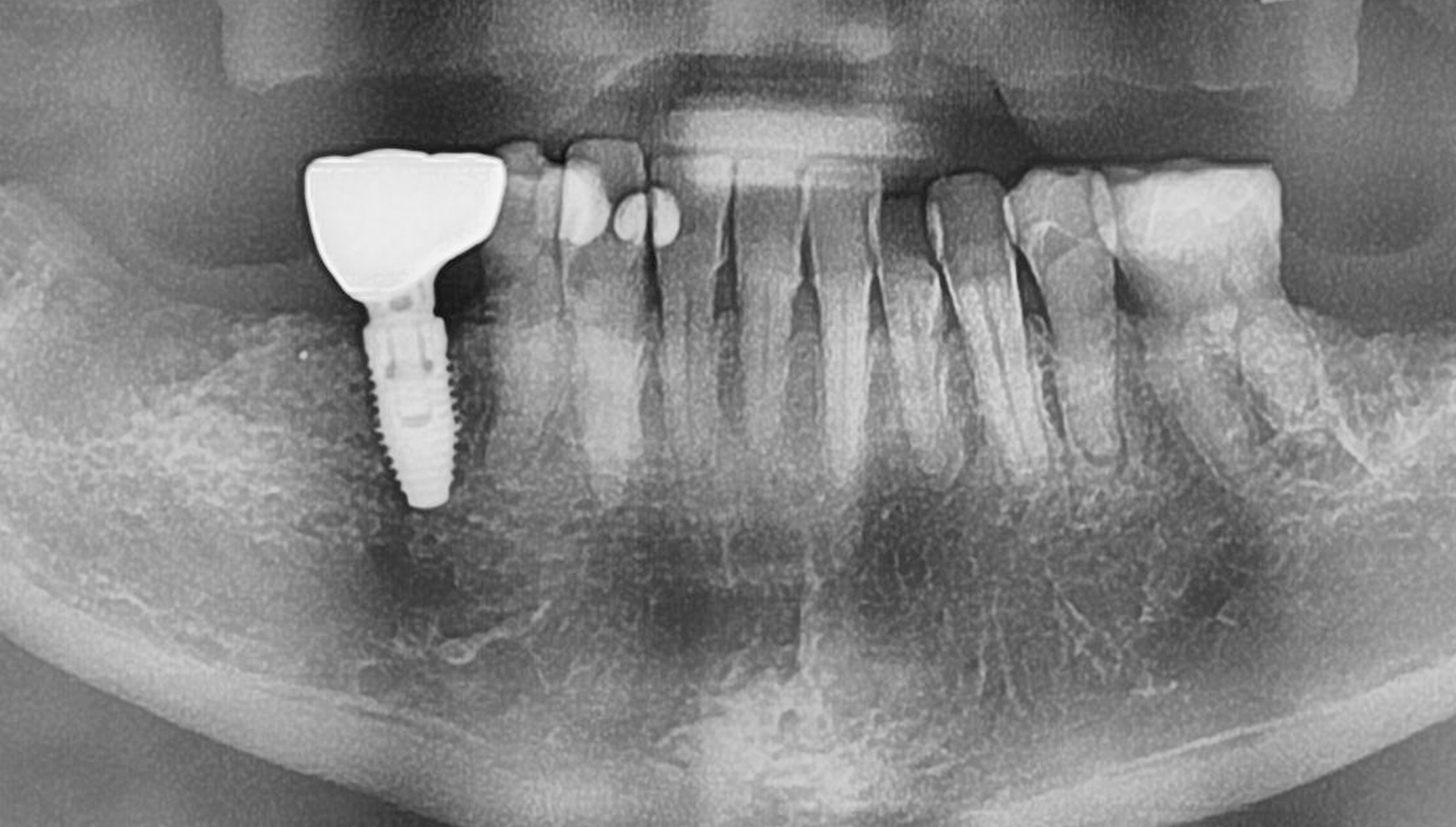
The amount of remaining bone is assessed by your dentist via X-rays and 3D scans before they create your personalised treatment plan.
How Common Is This Before Getting Implants?
Bone grafting for dental implants is actually more common than many patients expect. Indeed, because bone naturally shrinks after tooth loss, a significant proportion of people seeking dental implant surgery require some form of grafting before implant placement.
However, just because you need a graft does not mean there is anything inherently wrong with your oral health. Instead, it is often just a routine part of treatment planning. One that helps lay a strong foundation for your implants and improves the likelihood of their long-term success.
What Are The Two Ways Bone Grafts Are Classified?
Bone grafts are commonly described in two different ways. One refers to the source of the bone graft material. The other describes where or how the grafting procedure is performed. It is useful to understand the differences between them as they will make discussions with your dentist much easier.
By Material
The material used during a dental bone grafting procedure may include:
Autograft: Bone is taken from your own body, often from another part of the jaw or hip. As it comes from the patient's body, it contains living cells that encourage bone growth.
Allograft: Uses processed human donor bone as a scaffold for growing new bone tissue.
Xenograft: Bone material is obtained from another species, usually bovine. It supports healing while your own bone gradually replaces it.
Alloplast: A synthetic bone graft material made from biocompatible compounds that safely encourage new bone formation.
Your dentist will recommend the most appropriate graft material after taking into account your oral health, medical conditions and treatment plan.
By Procedure or Location
Bone graft surgery can also be classified by what part of your face it is performed on.
Socket preservation graft: This is placed immediately after tooth extraction to reduce further bone loss.
Block bone graft: Uses a solid piece of bone to rebuild larger defects.
Ridge augmentation: Widens or rebuilds a narrow jaw ridge before dental implant surgery.
Sinus lift procedure: Adds bone beneath the sinus cavity in the upper jaw when there is not enough bone to support an implant.
Each of these grafting procedures is selected to solve a specific problem. All provide a stable base for the implant. It is common to need a combination of grafting procedures, as bone loss can manifest itself in a variety of ways, and it should be discussed with your clinician to ensure you have the best possible foundation for your implant and future tooth restoration.
What Happens During the Procedure
As a general rule, most bone graft surgery is performed under local anaesthetic. However, for some patients, especially those with dental anxiety, the dentist might give them sedation. Or, in more complex cases, a general anaesthetic.
When performing the procedure, your dentist will do the following:
Numb the treatment area.
Make a small incision in the gum tissue.
Prepare the jaw for the graft.
Place the bone graft material.
Cover the graft with a protective membrane (if required).
Close the incision with stitches.
For many patients, this is a relatively minor procedure. Usually it is completed in a single appointment.
It is also quite common practice that the grafting procedures and the placement of implants are performed at the same time to minimize the number of invasive procedures, as well as allow simultaneous healing to occur.
Recovery Timeline
After bone grafting for dental implants has been performed on you, here is what to expect during the recovery phase.
First 24 to 48 hours
Many patients experience mild swelling, bruising and slight bleeding after surgery. However, these symptoms can be kept under control by using ice packs, taking prescribed pain relief and getting good rest. Ideally, you should avoid eating soft foods during this period.
First 1 to 2 weeks
In the first couple of weeks, the gum tissue begins to heal, and the incision closed with stitches continues to strengthen. You should find that swelling steadily improves, and patients can gradually resume normal daily activities, although they should avoid excessive pressure on the graft site. This is a critical period to ensure that the wound has adequate closure, and avoids contamination from early exposure of the graft.
3 to 4 months
After about 3 to 4 months, smaller grafts, such as socket preservation procedures, often develop sufficient bone density for dental implant surgery.
6 to 9 months or longer
Larger grafting for dental implants, including ridge augmentation or a sinus lift procedure, generally requires 6 to 9 months for the graft to fully integrate. At this point, they should be ready for implant placement.
How Successful Is Bone Grafting?
Dental bone grafting has a high success rate and is generally safe when performed by experienced clinicians. There are clinical techniques and procedures which can enhance the result, and also expedite patient healing. At Axis, we aim to stay on top of all surgical techniques, procedures, and materials to ensure the best possible results for our patient's.
Often, some of the biggest factors that affect the success of the graft are not directly related to it. This includes:
Smoking
Uncontrolled diabetes
Poor oral hygiene
Unmanaged gum disease
All of which can slow the healing process or increase the risk of graft failure.
It is important to follow your dentist's instructions both before and after surgery to achieve a stable foundation for your dental implant.
How Long Does a Bone Graft Last?
Once the graft has fully healed, it becomes part of your natural jaw. If you maintain good oral health and attend regular dental check-ups, then it is entirely possible to preserve both the graft and your dental implants for many years.
Risks and Potential Complications
Like any surgical procedure, bone grafting carries some risks you should be aware of. These include
Infection
The graft failing to integrate fully
Bone material being resorbed before enough new bone forms
Temporary nerve sensitivity
Sinus complications following grafting in the upper jaw
It is worth pointing out that serious complications are very uncommon. However, you should contact your healthcare provider promptly if you experience worsening pain after the first week. Or increasing swelling, pus, persistent fever or severe pain that does not improve with prescribed medication.
How to Prepare for Bone Grafting
The preparation for your bone grafting begins well before surgery. Your dentist will advise on the specific timeline, but it will involve them:
Taking X-rays and a CBCT scan to measure bone density and precisely plan the graft.
Reviewing your medical history, medications and existing medical conditions.
Discussing whether local anaesthetic, sedation or general anaesthetic is most appropriate.
Recommending stopping smoking before the procedure, as it significantly affects healing and the implant's long-term outcomes.
Can You Avoid Needing a Bone Graft?
One thing to be aware of is that not everyone with missing bone needs grafting for dental implants.
One of the best ways to avoid the need for a bone graft is typically to place the implant at the time of tooth removal. This is because the presence of the tooth to be replaced has ensured the adequate space for the final restoration is in place, the bony profile is preserved, the gum contours have allowed for sufficient space to be maintained and subsequently the implant restoration can be placed in an ideal position.
In other instances, for patients with significant bone loss, advanced treatment options such as zygomatic implants or pterygoid implants can sometimes avoid the graft-then-wait approach altogether.
These specialised implants anchor into stronger areas of bone rather than relying on the areas affected by bone loss. Depending on your individual circumstances, such techniques may reduce overall treatment time while still providing a secure, long-lasting result.
Frequently Asked Questions
What is bone grafting for dental implants?
Bone grafting for dental implants is a procedure that rebuilds areas of the jaw where bone has been lost. It encourages new bone growth, which creates enough bone to securely support an implant.
Is a bone graft painful?
Most patients experience only mild discomfort because the area is numb during the procedure with local anaesthetic. Any pain afterwards is usually manageable with prescribed medication. Typically, it improves within a few days.
How successful is bone grafting?
Bone grafting has a very high success rate. Healthy patients who follow their dentist's aftercare instructions generally heal well and achieve successful implant placement.