
The quick answer is that dental implants are designed to be a permanent, long-term tooth replacement. With proper care, the titanium implant post can last a lifetime, while the attached dental crown typically requires replacement every 10 to 15 years due to normal daily wear.
If you need to have one or more missing teeth replaced, one of the first questions you'll probably ask is: how long do dental implants last?
And it's a fair question.
Dental implants are designed as a long-term tooth replacement option. So, it's worth understanding what affects their lifespan and what you can do to keep them functioning well for decades.
While no dental treatment can be guaranteed to last forever, modern dental implants do have an excellent track record. In fact, with proper care and treatment from a skilled dentist, many patients enjoy stable, comfortable implants for decades.
What Are Dental Implants?
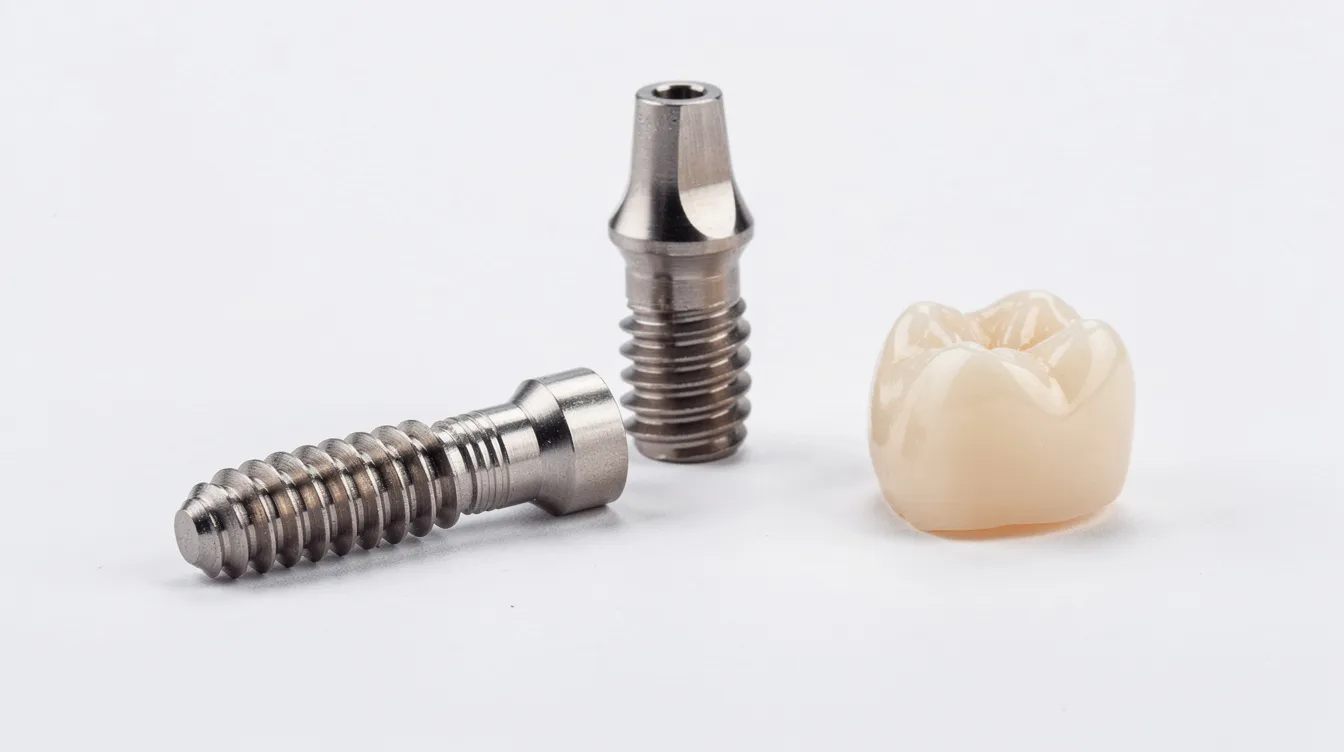
A dental implant comprises three main parts.
A titanium implant post that serves as an artificial tooth root
An abutment that connects the restoration
A dental crown that replaces the visible portion of the artificial tooth.
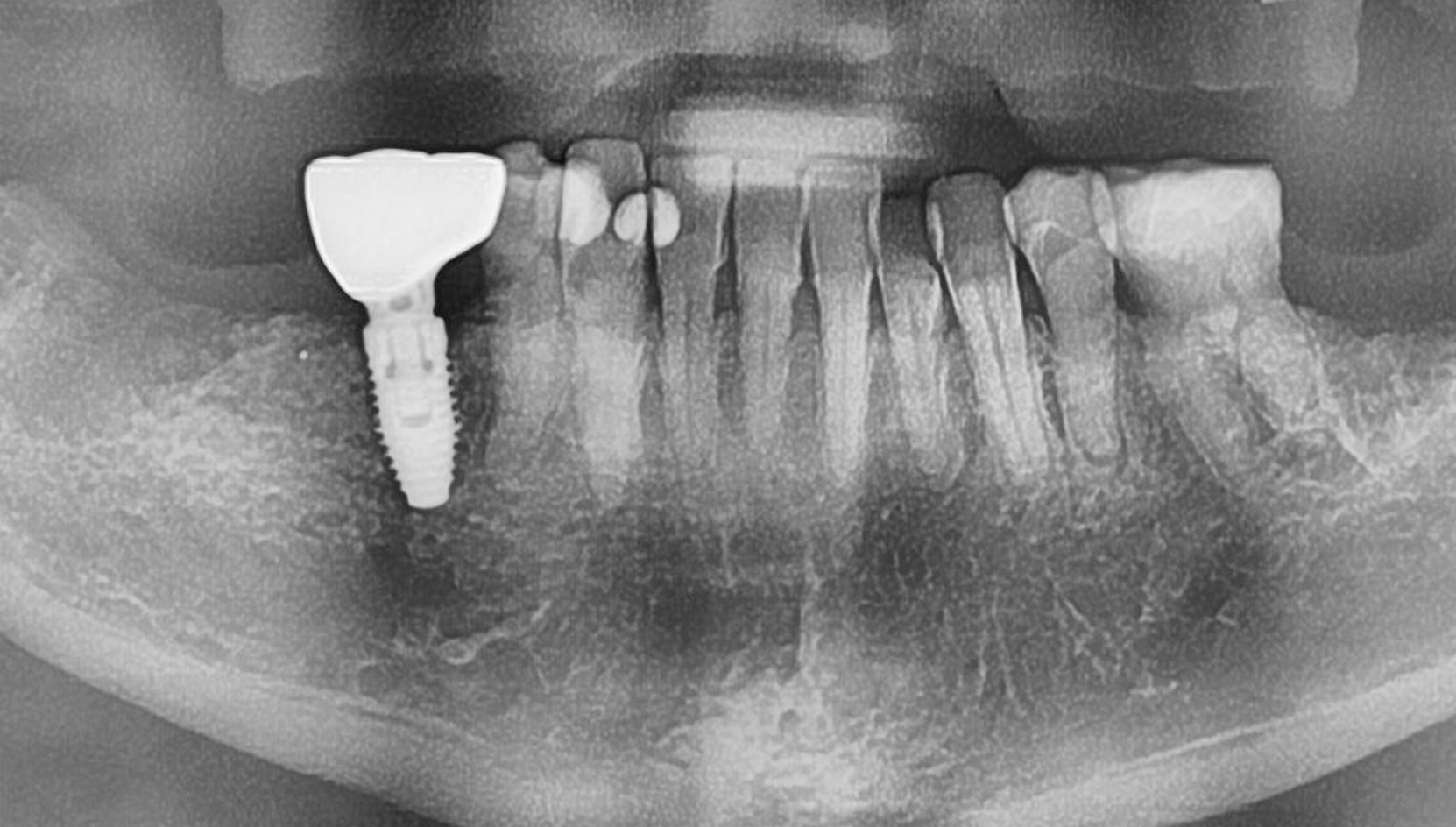
During implant surgery, the titanium post is placed into the jaw bone. Over the following months, it bonds with the surrounding bone through a biological process called osseointegration. This creates a stable foundation for which the abutment and crown will be screwed into.
You can find out more about our dental implant treatment process here.
How Long Do Dental Implants Last?
Various bodies of research have consistently shown that dental implants can last a very long time when they're well cared for.
Rather than relying on outdated estimates, current clinical understanding is grounded in rigorous, long-term data. According to a 2024 meta-analysis by J.R. Kupka on dental implant survival rates, modern implants demonstrate an exceptionally high long-term success rate:
Around 96% of new implants remain successful after 10 years.
At 20 years, approximately 4 out of 5 implants are still functioning successfully.
The implant post itself can remain stable for decades. In many cases, it may last even a lifetime once it has successfully fused with the bone. That said, the crown attached to the implant usually has a shorter lifespan and may eventually need to be replaced due to normal wear.
It's worth noting that these figures represent population-level clinical studies, rather than individual outcomes. Moreover, every patient is different, and the lifespan of dental implants depends on several factors, including their oral health, lifestyle, and medical history.
The Implant Post vs. The Crown, Two Different Lifespans
Sometimes patients become confused about implant longevity because the implant and the restoration don't usually wear out at the same rate. Here is a brief overview of their two different lifespans.
Component | Typical Lifespan | Why |
|---|---|---|
Titanium implant post | 20+ years, often lifetime | Permanently fuses with the bone to create a solid foundation. |
Crown/prosthetic tooth | 10–15 years | Subject to chewing forces, staining and everyday wear. |
All-on-X/full-arch prosthesis | Around 10–15 years | Carries higher functional loads and may require maintenance such as relining or rebasing. |
If the crown eventually wears out, it can often be replaced while still ensuring both the implant and the surrounding structures remain intact. Here is some more information about Dental Crowns.
What Affects How Long an Implant Lasts?
Quality dental implants are built for long-term performance. However, their longevity will largely depend on how well they are looked after. It is vital that you properly care for your implant, as doing so can significantly improve its lifespan. Here are some of the best ways to achieve that.
Oral Hygiene and Home Care
Probably the most important thing you can do to maintain the long-term success of your implant is to give your teeth a thorough daily cleaning. Although an implant cannot develop decay like a natural tooth, bacteria and plaque buildup can still affect the surrounding gums and bone. Maintaining poor oral hygiene standards may contribute to gum disease, inflammation and bone loss. All of which can potentially lead to implant failure.
That is why practising good oral hygiene through regular brushing, flossing and cleaning around the implant will help to protect your long-term oral health.
Regular Professional Check-ups
In addition to maintaining good oral hygiene, scheduling routine appointments with your dentist will allow them to monitor the implant site, surrounding gums, and your bite. By arranging regular dental check-ups, they can detect problems at an early stage. This will help to make treatments simpler should any concerns develop.
Smoking
Smoking remains one of the biggest risk factors against long-term implant success. Research has consistently shown that smokers experience higher rates of failed implant treatment. Primarily this is because smoking reduces blood flow, impairs healing, and can interfere with the osseointegration process.
Bone Quality and Quantity
For implant placement to be successful, patients must have adequate bone quality, bone density, and healthy supporting bone. Where there has been significant bone loss, bone grafting may be recommended to rebuild the site before treatment.
Teeth Grinding (Bruxism)
If you are afflicted with persistent teeth grinding, it can place excessive pressure on your implants and restorations. Over time, this may shorten the life of the crown portion or loosen components. Wearing a custom night guard can help to reduce unnecessary stress.
Systemic Health
Certain medical conditions, including poorly controlled diabetes and some autoimmune disorders, can affect healing and increase the risk of complications following any surgical or invasive procedure.
It is important to recognise that any surgical or invasive procedure carries risks. That is why your treatment should always be discussed with an appropriately qualified health practitioner.
Surgeon Experience and Placement Precision
For implant dentistry to be successful, it needs to be carefully planned, accurately positioned, and requires selecting the right treatment for each patient. This is especially necessary in complex cases involving reduced bone volume or where patients have had previous implant problems.
What If You Have Bone Loss? Implant Longevity for Complex Cases
Unfortunately, not everyone has enough healthy bone for standard implants. Subsequently, if there has been bone loss after tooth loss or long-term denture use, then conventional implants may not provide sufficient stability without additional treatment.
In such circumstances, bone grafting is often an excellent solution. But it's not the only option because both zygomatic and pterygoid implants can work well.
Zygomatic implants are longer implants that anchor into the cheekbone rather than the upper jawbone. Studies show survival rates of around 96% after five to six years. Hence, it is a durable alternative for patients with severe bone loss. Similarly, as pterygoid implants are designed for the back of the upper jaw, they may avoid the need for grafting in suitable patients.
For people who may previously have been told they weren't suitable candidates for implant treatment, these advanced techniques can expand the treatment possibilities.
Signs Your Dental Implant May Be Failing
You should be aware that complications from dental implants are uncommon. However, occasionally they can arise. For this reason, you should contact your dentist if you notice:
Persistent pain
A loose implant or restoration
Gum recession around the implant
Swelling or bleeding around the surrounding tissue
Difficulty chewing
Changes in how the implant feels
How to Make Your Dental Implant Last as Long as Possible
With proper care and attention, you can significantly improve the lifespan of dental implants. Here are some steps you can take to improve your implant longevity:
Brush twice daily
Attend regular dental checkups every six months
Wear a night guard if you grind your teeth.
Avoid smoking and excessive alcohol consumption.
Maintain a healthy lifestyle that supports strong bone health.
See your dentist immediately about gum inflammation.
Follow your dentist's advice regarding proper maintenance and professional cleaning.
Dental Implants vs. Other Tooth Replacement Options
Implants offer excellent long-term durability when compared with many other tooth replacement options.
Traditional bridges, for instance, often last around 10 to 15 years before they need to be replaced. Removable dentures, on the other hand, generally require adjustment or replacement more frequently, as the mouth changes over time.
Because implants integrate directly with the jaw bone, they provide excellent stability for many years. This also helps them to reduce ongoing bone changes that can occur after tooth loss.
Depending on your individual needs, if implants aren't suitable, custom dentures and comprehensive full-mouth rehabilitation may still provide excellent tooth-replacement solutions.
Frequently Asked Questions
How long do dental implants last on average?
When properly looked after, most modern implants can remain successful for decades. Some clinical studies have reported an approximately 96% 10-year survival rate, while many patients' implants continue to function well beyond 20 years.
Do dental implants last a lifetime?
In theory, yes, they can. The titanium post may last a lifetime if the implant remains healthy. However, the crown will usually require replacement after several years of normal use.
What's the average lifespan of an implant crown?
Most implant-supported crowns last around 10 to 15 years before they need to be replaced due to wear, chipping or cosmetic changes.
Can a failing implant be saved or replaced?
Sometimes, an implant that has failed can be saved or replaced. However, the treatment will depend on the cause. If, for instance, there are symptoms of early infection or inflammation, then it may be manageable. A completely failed implant, though, may need to be removed before a new one is placed once healing has occurred.
Do zygomatic or pterygoid implants last as long as standard implants?
Current evidence suggests that both zygomatic and pterygoid implants offer excellent durability when used in suitable patients. The survival rates are comparable to conventional implants in published studies.
How often should implants be checked by a dentist?
Most people benefit from having their teeth and implants checked every six months. However, your dentist may recommend a different schedule depending on your personal circumstances.