
Dental implants are among the most reliable ways to replace missing teeth. However, for the treatment to be successful, you need to give them enough time to heal properly.
The implant surgery itself is usually completed in a single appointment. But many patients are surprised to learn that the full dental implant healing process can take several months to complete. Primarily, this is because the jawbone needs time to bond with the titanium implant.
While every personalised treatment plan is different, if you are considering dental implant surgery, it is important to understand the different dental implant healing stages. This will help you understand what to expect throughout your tooth replacement journey.
The Healing Stages of Dental Implant Surgery at a Glance
For a standard dental implant treatment, the recovery process generally follows six distinct stages:
Initial consultation and treatment planning
Implant placement surgery
Soft tissue healing
Osseointegration
Abutment placement
Final crown or prosthesis
For most patients, the full dental implant healing timeline usually takes around 3 to 6 months. However, for more complex cases, it can be longer.
Stage 1: Consultation and Treatment Planning
Before any dental implant treatment is performed, a dentist will conduct a thorough assessment. This will initially involve examining your teeth, gums and surrounding teeth. They will also take digital scans and images to evaluate your bone density, bone volume and overall bone health. Such images will allow them to carefully plan where the implant will be placed and identify any factors that could affect your dental implant healing.
If they find the presence of bone loss or gum disease, your dentist might recommend treatment before implant surgery begins. Some patients also require tooth extraction or bone grafting before getting the green light for implant dentistry.
During this stage, your dentist will explain our process fully and your personalised treatment plan. They will also advise you of your expected healing timeframe and the steps involved throughout your recovery.
Stage 2: Implant Placement Surgery and Early Healing
During dental implant surgery, the titanium implant is carefully positioned into the jawbone to replace the natural tooth root. As the procedure is considered a surgical or invasive procedure, you should be aware that it does carry risks, which you should discuss with an appropriately qualified health practitioner.
The healing process begins immediately after implant placement has been completed. As such, in the first couple of weeks it is common to experience:
Mild swelling
Minor bleeding
Mild discomfort
Tenderness around the implant
A small blood clot forming at the surgical site
These symptoms usually steadily improve during the first few days after the treatment. Your dentist may recommend prescribed pain relief medications to help reduce any discomfort you might feel while the area heals.
At this time, most patients are also advised to eat soft foods and avoid strenuous activity for a short period. They should also carefully follow their dentist's recovery plan.
Stage 3: Soft Tissue Healing
After the initial inflammation has settled, the focus turns towards soft tissue healing. Essentially, this involves the gum tissue gradually closing around the implant site to create a healthy seal around the implant that protects the underlying bone tissue and reduces the risk of infection.
Typically, this maturing process can take between 2 and 4 weeks, during which many patients are surprised by how comfortable this stage feels. In most cases, the discomfort will decrease significantly after the first week. However, it remains important to avoid applying excessive pressure to the surgical site.
It's also essential to maintain good oral hygiene throughout this period. Gentle brushing, following your dentist's instructions and attending regular dental appointments are all integral in helping the implant to heal properly.
Stage 4: Osseointegration
Osseointegration is the longest and most important of all the implant healing stages, typically taking up to six months or longer.
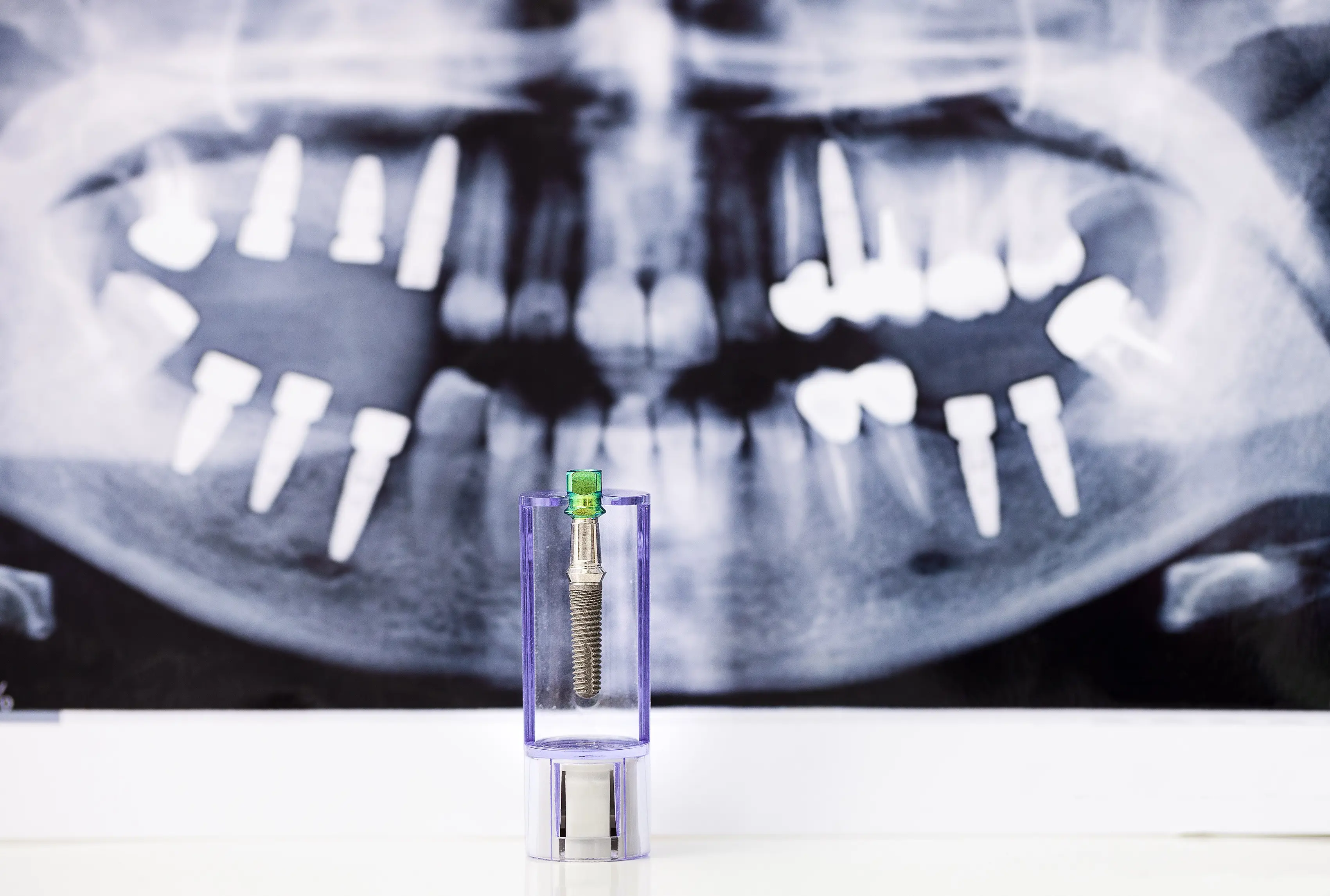
This process involves living bone cells gradually growing onto the surface of the titanium implant. Essentially, instead of simply sitting inside the jaw, the implant becomes securely integrated with the surrounding bone. This creates a stable artificial tooth root that can support a replacement tooth for many years.
The length of osseointegration depends on several factors, including:
Bone quality
Bone density
Overall health
Smoking status
Oral hygiene
Despite the bone growth continuously taking place during this stage, most patients experience very few symptoms.
Stage 5: Abutment Placement
Once the osseointegration process has been confirmed as completed, the abutment placement appointment will be scheduled.
The abutment is a small connector that joins the dental implant to the final crown. In many cases, it is a simple procedure that exposes the implant beneath the gum before attaching the connector.
Over a short period, the gum heals around the abutment to create a natural-looking emergence profile for the final restoration. When compared with the original implant surgery, this appointment is generally straightforward. It typically doesn't require any downtime.
Stage 6: Final Crown or Prosthesis Fitting
In the final stage of your dental implant journey, your dentist will fit the permanent restoration.
Depending on your treatment, this may include a:
Single dental crown
Bridge
Full-arch prosthesis
Your dentist will check the appearance, bite and function of your implant before securely attaching the final crown or prosthesis.
Once complete, it should feel stable and function similarly to a natural tooth. Therefore, allowing you to smile, chew and speak with confidence.
What Affects Healing Time
Patients heal at different speeds, and several factors can influence an individual's dental implant recovery time. They include:
Their bone quality and bone density
Whether they smoke or vape
If they have diabetes and immune disorders
Their age
Whether they have existing gum disease
If they maintain poor oral hygiene throughout recovery
Whether they suffer from bruxism (teeth grinding)
How diligently they follow their dentist's recovery plan
As a general rule, the healthier the tissues around the implant, the quicker and more predictable the healing process is likely to be.
How Healing Differs for Bone Grafting, Zygomatic, Pterygoid and All-on-X Cases
While the process is usually similar for most patients, not every dental implant procedure follows the same timeline.
For example, if a patient requires bone grafting or sinus lifting due to insufficient bone volume or loss, the graft often takes several months to heal before implant placement can begin. This can extend the overall healing timeline, but it will help to create enough bone to ensure long-term implant success.
However, for patients with significant bone loss, zygomatic implants and pterygoid implants may be a good alternative. That's because rather than relying on grafted bone, these specialised implants anchor into naturally denser bone within the cheekbone or towards the back of the upper jaw. In some cases, this can avoid the need for lengthy graft healing altogether.
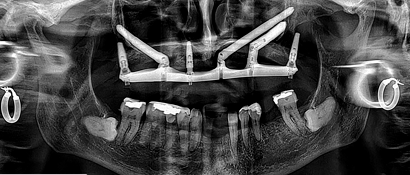
All-on-X treatment is another alternative to traditional implant healing. Rather than waiting several months before receiving teeth, patients are typically fitted with a fixed provisional prosthesis within 24 to 48 hours after surgery. This means they can smile and function with replacement teeth while the osseointegration process continues beneath the surface and prior to receiving their final prosthesis.
Tips for Smooth Healing
After receiving dental implant treatment, there are several things you can do to expedite the healing process. They include:
Brushing gently around the implant site
Rinsing only as instructed by your dentist
Eating a soft food diet (during the early healing stages)
Avoid smoking (it can delay healing)
Take prescribed pain medications exactly as directed
Attend all review appointments
Contact your dentist if anything feels unusual
Seek ongoing oral health care
Signs Something Isn't Healing Properly
Most patients recover without complications. However, you should contact your dentist immediately if you experience any of the following symptoms:
Severe pain that worsens rather than improves
Persistent swelling after the expected healing period
Ongoing discharge from the implant site
Implant mobility or movement
Fever or signs of infection
Bleeding that continues beyond the initial recovery period
The earlier they can assess these issues, the less likely you will be to experience implant failure.
How Long Does the Full Process Take?
For a standard single dental implant, the time between the point of implant placement and fitting the final dental crown usually takes around 3 to 6 months.
However, if bone grafting is needed first, then the treatment may take several additional months to complete while the graft heals. On the other hand, patients receiving All-on-X treatment are often able to leave with a fixed provisional set of teeth within 24 to 48 hours. Even though the implants themselves still require several months to fully integrate with the jawbone.
Frequently Asked Questions
How long does it take for a dental implant to fully heal?
Most dental implant healing stages are completed within 3 to 6 months. However, patients requiring additional procedures such as bone grafting may have a longer overall treatment timeline.
What is osseointegration and why does it take months?
Osseointegration is the natural biological process where bone tissue bonds directly with the titanium implant. This gradual bone healing creates the stability needed to support the final dental crown.
Can healing be sped up?
As healing follows the body's natural biology, it cannot be dramatically accelerated. However, maintaining good oral hygiene, following your dentist's advice, avoiding smoking and attending follow-up appointments can all ensure proper healing.
Can I drink alcohol or exercise during the healing period?
Your dentist will advise when it is safe to return to your usual activities. That said, you are recommended to avoid strenuous exercise immediately after implant surgery, and refrain from consuming alcohol during the early healing period. Especially if you are taking prescribed pain medications or antibiotics.