
Dental implant surgery is often put forward as a reliable, long-term solution for replacing missing teeth. But while your implant dentist does the hard work during the procedure, the dental implant aftercare you provide at home significantly affects how well the implant heals.
Thankfully, when patients follow their dentist's instructions, keep the implant site clean, and attend regular reviews, most dental implants heal without complications. Here's what you can do during each stage of dental implant recovery to ensure this happens.
The First 24 to 72 Hours
The first few days after receiving the implant treatment are all about protecting the surgical site and giving your body the best chance to begin the healing phase.
After implant surgery, you might experience symptoms such as bleeding, swelling, bruising, and mild discomfort. All of which are normal. Your dentist may advise you to bite gently on a moistened gauze to help form a blood clot. The clot is an important part of the healing process because it helps to prevent infection. So, try to avoid disturbing it.
To reduce the swelling, place an ice pack wrapped in a towel against the outside of your face for short intervals during the first day, typically 20mins on and 20mins off. You should also keep your head elevated while resting, as this can also help to reduce bruising.
If you are prescribed medication or recommended pain medication by your dentist, make sure you take it exactly as directed, as the directions may change depending on the type of procedure you have had.
When it's time to eat, choose a soft food diet that won't irritate the implant area. Some good options include:
Scrambled eggs
Mashed potatoes
Yoghurt
Smooth soups (allowed to cool first)
Smoothies eaten with a spoon
You are recommended to avoid extremely hot food, crunchy snacks and anything that could disturb the affected area. Once you've eaten, gently rinse your mouth with lukewarm salt water. You can also do this several other times during the day.
Caring for Your Implant in the First Week
As your gums begin to heal, it becomes just as important to keep your mouth clean as it is to protect the implant site.
It is advisable to continue following a soft diet during the first week. Then gradually introduce firmer foods only when your dentist recommends it. When cleaning your teeth, use a soft toothbrush and brush gently around the surgical area. You may be told to avoid brushing directly over the implant on the first day. However, don't neglect the rest of your mouth.
During this stage you should also:
Continue taking any prescribed medication.
Avoid smoking, alcohol and vaping.
Not drink through a straw (the suction created can interfere with the healing blood clot).
Attend your scheduled follow-up appointment. This will enable your implant dentist to check that the implant area is healing as expected.
What to Avoid During Healing
You are advised to avoid anything that may slow down the healing process or irritate the implant site until your dentist confirms the implant has stabilised. This can include:
Hard foods, nuts, popcorn, crusty bread and crunchy snacks.
Acidic foods, spicy foods and extremely hot foods if they cause discomfort.
Vigorous brushing directly over the surgical site.
Heavy exercise that increases blood flow during the first few days.
Smoking or tobacco products.
Touching the implant with your tongue or fingers.
Picking at stitches or disturbing the surgical area.
The closer you follow these simple dental implant aftercare tips, the better the surrounding tissues will be able to recover.
Long-Term Implant Maintenance (Once Healed)
Not many patients are aware of this. But even when the implant has fully integrated with the jawbone, your dental implant aftercare doesn't stop. That is because while dental implants and dental crowns can't develop decay like natural teeth, the surrounding gums and bone remain vulnerable.
If plaque builds up around the implant, inflammation can develop. If left untreated, it may progress to peri-implantitis, which can increase the risk of bone loss and even implant failure.
To counter this, ideally you should:
Brush your teeth twice a day with a soft toothbrush.
Clean between teeth with interdental brushes.
Use implant-specific floss or a water flosser to clean around the implant.
Pay close attention to the gumline around every implant.
It is also vital to attend regular dental checkups and professional cleans at least every six months (or more often if recommended). These appointments allow your dentist to monitor the health of the surrounding bone and soft tissue. It is very important to note, that it is possible to have inflammation around your teeth and implants, without experiencing symptoms of pain, that's why it is critical that small problems are identified before they become larger ones.
Caring for a Full-Arch or All-on-X Prosthesis
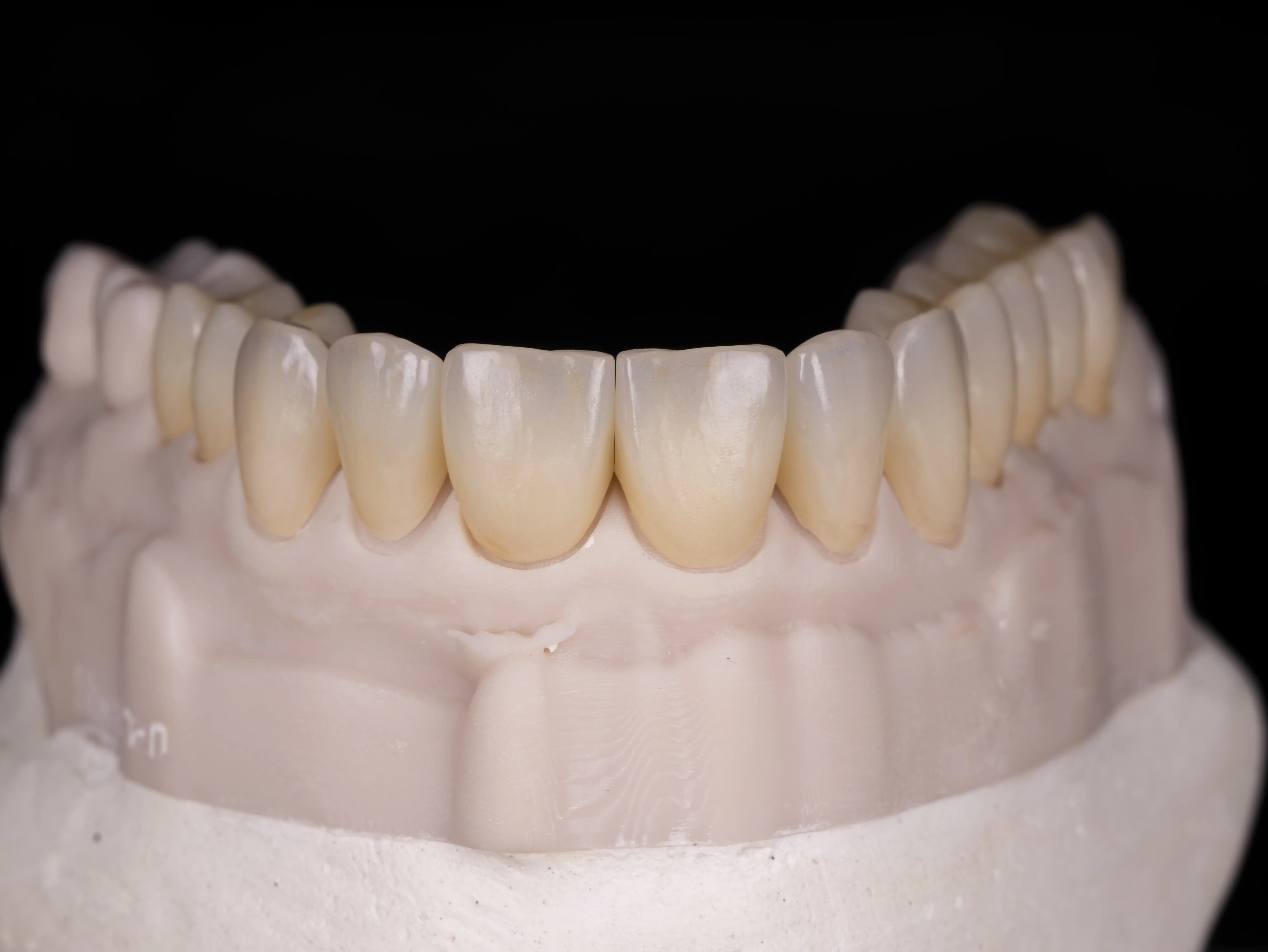
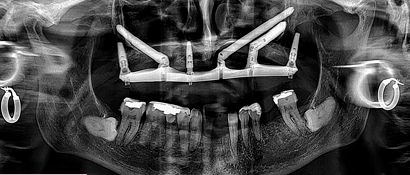
Something to be aware of is that looking after a full-arch bridge or All-on-X Prosthesis differs markedly from caring for a single implant.
One of the main reasons is that food particles and plaque can collect underneath the bridge where a toothbrush can't easily reach. Therefore, your daily cleaning routine should include proxy brushes, superfloss, or threaded floss designed to clean beneath the prosthesis. A water flosser will also help to flush debris from underneath.
Sometimes, depending on how the bridge was designed or fitted, certain cleaning methods may be better suited to your bridge. It is important to discuss this with your dentist for long term understanding and maintenance.
Again, it is very important to attend regular appointments with your dentist given that several implants support the same bridge. Not least because if hygiene problems develop beneath the prosthesis, then multiple implants can be affected.
Special Considerations for Certain Health Profiles
Some health conditions and lifestyle habits can influence how well your implant heals and how long it lasts. If any of the following apply to you, your implant dentist may recommend a few extra steps as part of your dental implant aftercare plan.
If you smoke
The effects of smoking can range from reducing your blood supply and slowing down the healing process to increasing the chance of infection and raising the risk of implant failure. Stopping, even temporarily around the time of your implant surgery, can considerably improve its results.
If you have diabetes
People with uncontrolled blood sugar may experience a slowed healing process and an increased risk of complications. That's why you should always follow your treatment plan and attend every review appointment. However, current evidence suggests that for patients who have well controlled diabetes, they have the comparable outcomes to someone without diabetes.
If you grind your teeth (bruxism)
Grinding can place significant pressure on your implants and restorations, which could mean they don't last for as long as they could. For this reason, if you have bruxism, your dentist may recommend a custom night guard to protect your implant and prosthesis over the long term.
Warning Signs to Watch For
Most patients experience steady improvement during dental implant recovery. However, you should contact your dentist immediately if you notice:
Increasing or severe pain after the first few days.
Persistent bleeding that doesn't settle.
An implant that feels loose or moves.
Ongoing swelling that worsens instead of improving.
Gum recession around the implant.
A persistent bad taste, unpleasant odour or signs of infection.
Fever or pus around the implant site.
In such circumstances, prompt treatment can often be the difference between minor concerns becoming more serious.
Frequently Asked Questions
Can I brush my teeth normally after implant surgery?
Yes, but it is important to be gentle. Continue to clean the rest of your mouth normally while using a soft toothbrush around the implant. Your dentist will advise about when to brush directly over the surgical site.
What foods should I avoid after getting a dental implant?
You are recommended to avoid hard, crunchy, sticky, spicy, acidic and extremely hot foods during the early healing period. Instead, choose soft foods until your dentist advises otherwise.
How often should implants be professionally checked?
Most people experience improved oral health by seeing their dentist and having their teeth professionally cleaned every six months.
How long does dental implant aftercare take before things feel normal again?
Most patients feel much better within the first few days after surgery, and especially after a week, as their soft tissue heals. Complete healing beneath the gums can take several months while the implant bonds with the jawbone.